Professional Kinds of Textile Fabric
Textile fabrics can be classified by processing technology, raw material composition, weave structure, post-dyeing condition, end use, etc.

-
Classification by Different Processing Technologies
(1) Woven Fabric
Formed by the perpendicular interlacing of warp and weft yarns on a loom according to specific rules. Includes plain weave, Oxford cloth, twill, satin, brocade, cotton-linen blends, etc.
(2) Knitted Fabric
Formed by looping yarns, divided into weft knitting and warp knitting.
- Weft-knitted fabric: Weft yarns are fed horizontally into the needles of a knitting machine, bent into loops in sequence and interlocked.
- Warp-knitted fabric: One or several sets of parallel warp yarns are fed lengthwise to all needles of the knitting machine to form loops simultaneously.
Common examples: blankets, fleece fabrics, T-shirts.
(3) Non-woven Fabric
Made by bonding or adhering loose fibers. Main methods: chemical bonding and needle punching. This processing method greatly simplifies the production process, reduces cost, and improves labor productivity, offering broad development prospects. Common types: non-woven cloth, melt-blown fabric, geotextile, felt, ect.
-
Classification by Raw Material Composition
(1) Natural fibers: fabrics made entirely of natural fibers, including plant fibers such as cotton, linen, bamboo fiber, wood pulp fiber, etc., and animal fibers such as wool, silk, down, etc.
(2) Chemical fibers: fabrics made from chemical fibers, including regenerated fibers such as viscose, polyester, etc., and synthetic fibers such as spandex, polypropylene, etc.
-
Classification by Weave Structure
(1) Plain Weave
Warp and weft yarns interlace with every single yarn.
(2) Twill Weave
Warp and weft yarns interlace at least every two yarns, adding interlacing points to change the fabric structure.
(3) Satin Weave
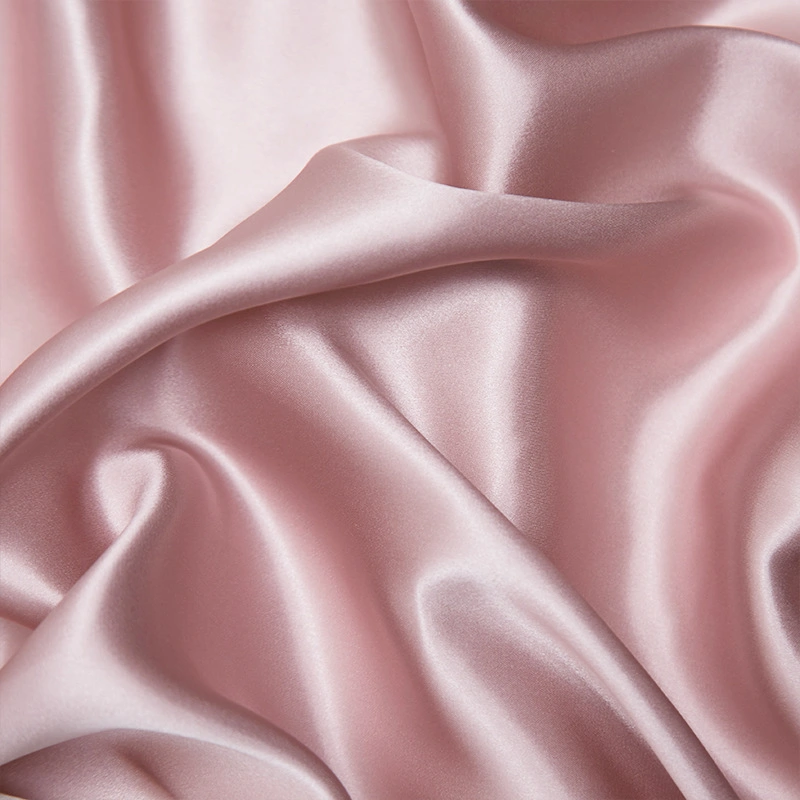
Warp and weft yarns interlace at least every three yarns.
-
Classification by Post-Dyeing & Printing State
(1) Dyed Fabric
Greige fabric dyed into a single uniform color.
(2) Printed Fabric
Fabrics with patterns or characters printed on greige fabric.
(3) Yarn-dyed Fabric
Yarns are dyed first, then woven into fabric to form checks, stripes, jacquard patterns, etc.
(4) Natural Color Fabric
Fabrics retaining the natural fiber color or finished with simple treatment (e.g., cotton, linen).
-
Classification by End Use
(1) Apparel Use
Fabrics and accessories for making garments (e.g., T‑shirts, hoodies, polo shirts).
(2) Household / Decorative Use
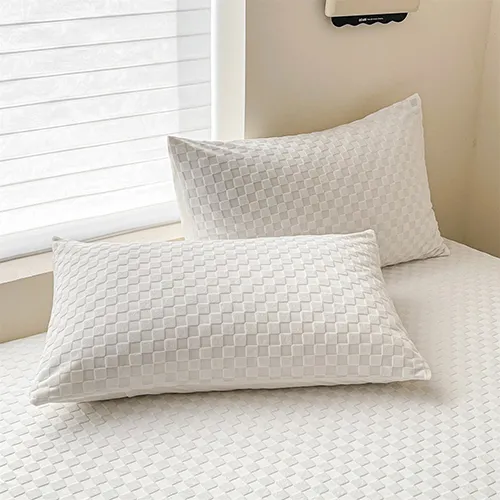
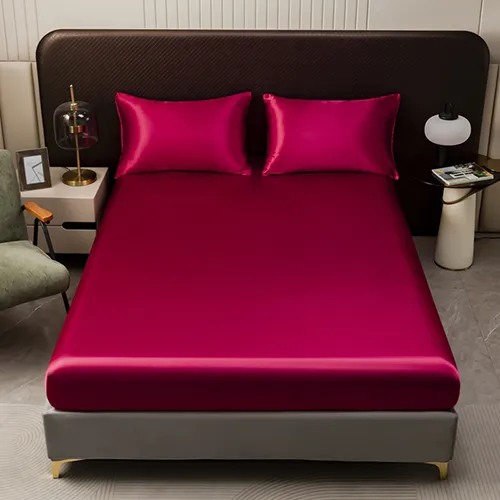
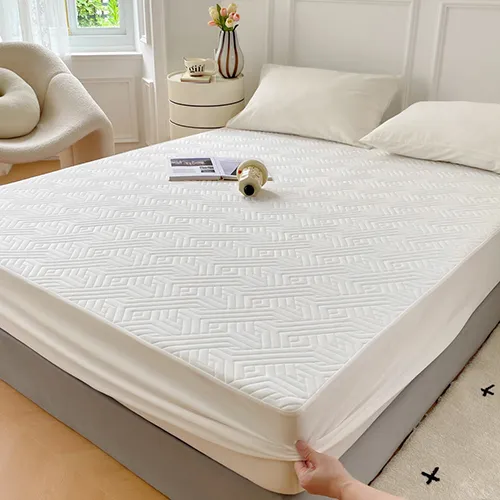
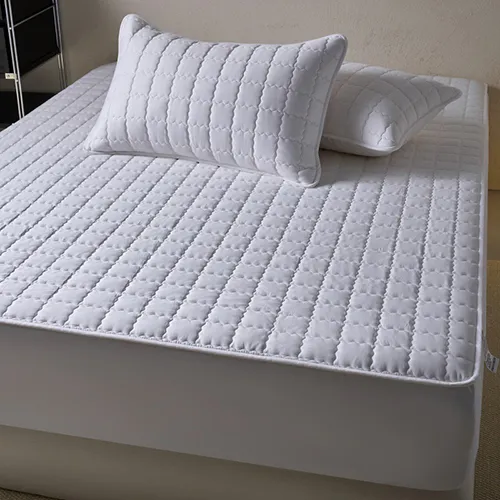
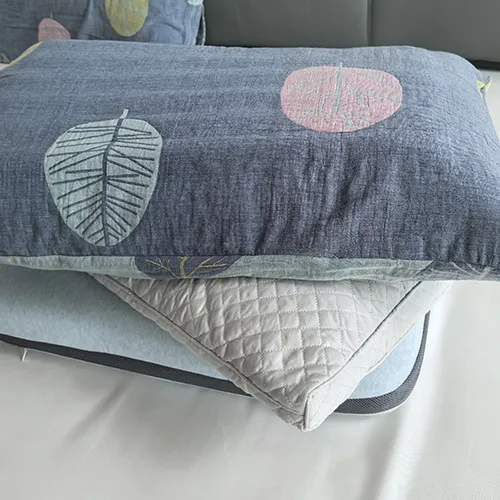
For home decoration (e.g., bedding, curtains, carpets).
(3) Industrial / Technical Use
For industry, agriculture, medical, transportation, etc., emphasizing specific functions (filtration, protection, insulation).